
Innovations and Adaptations in Children's Palliative Care
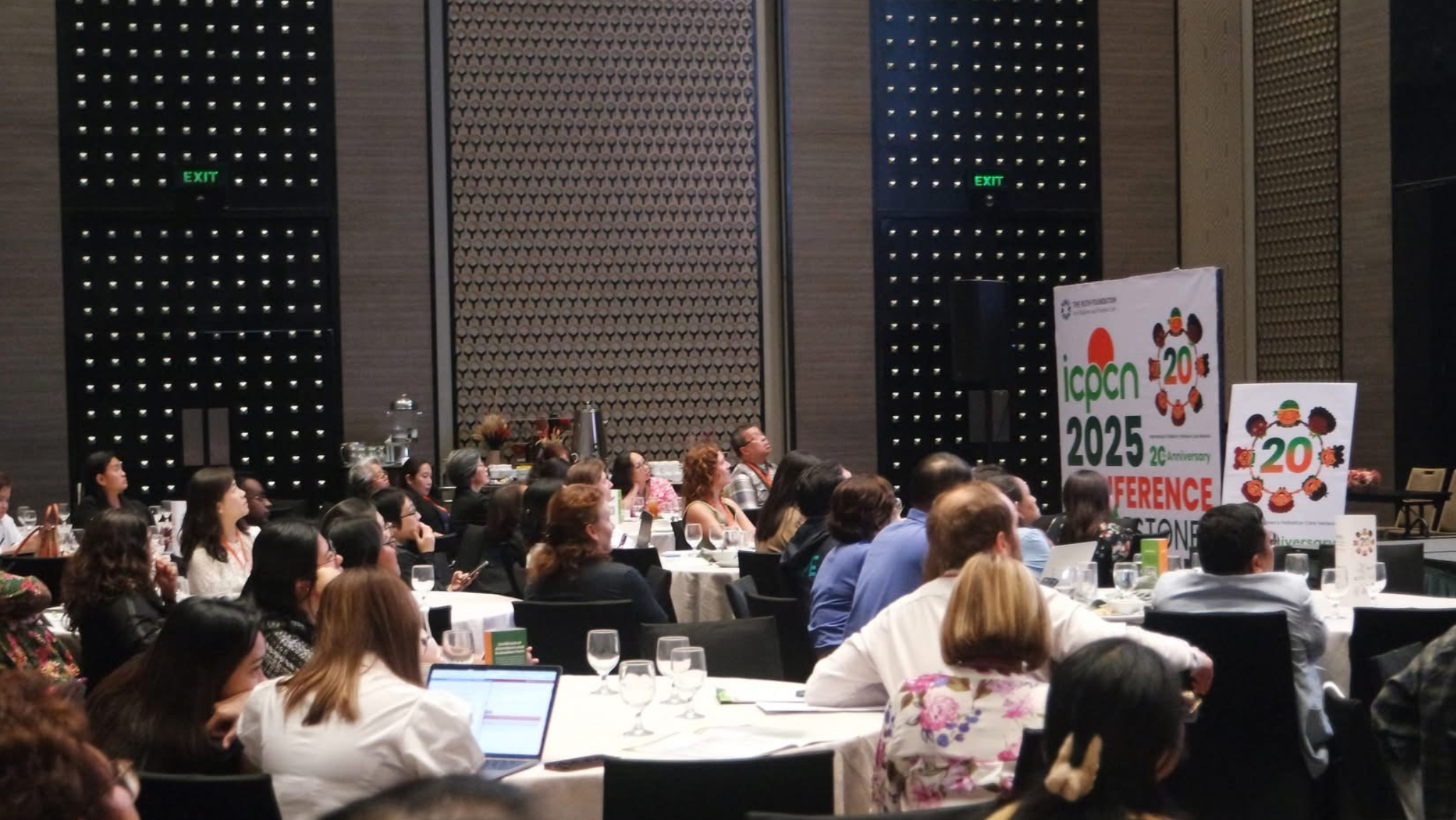
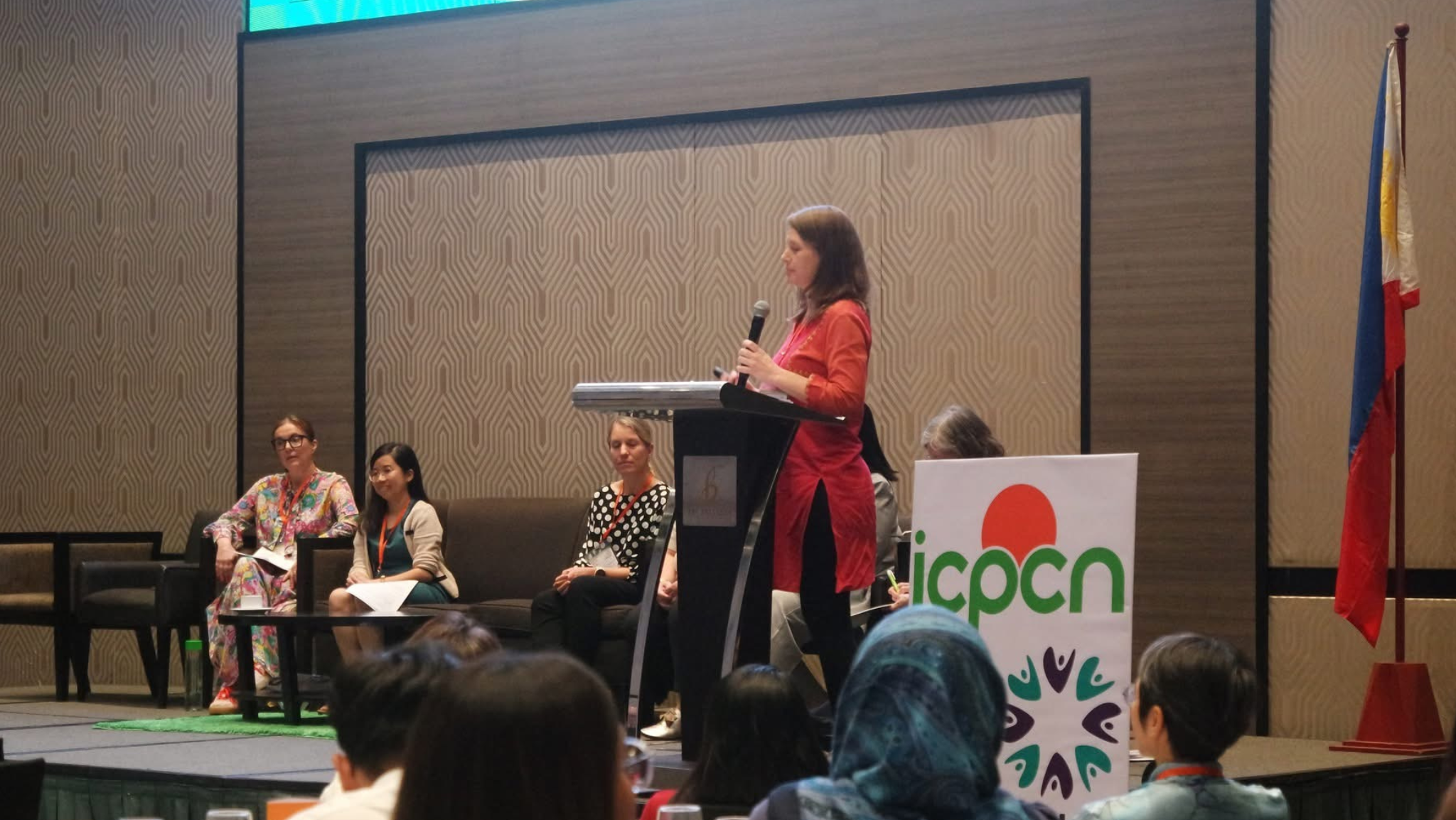
The recent International Children’s Palliative Care Network (ICPCN) Conference in Manila featured an engaging session focused on ‘Expanding Access and Equity in Children’s Palliative Care,’ chaired by Christina Vadeboncoeur and Adelina Uyvico. Five presentations highlighted innovative approaches aimed at enhancing the quality and accessibility of care for children with life-limiting conditions across various settings worldwide.
Bringing Comfort Home: Paediatric Palliative Homecare in the Philippines
The National Children’s Hospital (NCH) Paediatric Palliative Care (PPC) Centre in Quezon City, Philippines, presented their Comprehensive Pediatric Palliative Homecare Program. Director Rhea Angelica Jayma shared how this initiative directly addresses the service gap created by care fragmentation and high readmission rates following hospital discharge. The homecare project in the Philippines has improved symptom control, reduced hospital use and increased morphine utilisation and is a replicable solution for bridging the institutional and community care gap.
2. The Little Flower Story: Integrated Inpatient Respite in Singapore
Ng Mei Chan Grace from HCA Hospice Care Limited, Singapore, described the development of the “Little Flower” care suite. This innovative project established an inpatient respite centre for children within an existing adult nursing home, addressing the lack of dedicated inpatient respite facilities in Singapore for children with life-limiting conditions. This project is a scalable model for integrating paediatric inpatient respite care into adult facilities, meeting a critical need for caregiver relief and family support through thoughtful planning and partnerships.
3. Lessons from the Hamba Nawe Project in South Africa
Ané Büchner shared data from the first six months of the Hamba Nawe Project, a dedicated hospital-based palliative care service at a tertiary academic hospital in South Africa. The project successfully integrated an in-patient pediatric palliative care program in a setting where the needs were high and access was limited to only a few staff. The main challenge identified by the project is the late referral of patients. In response, the team plans to implement targeted provider education and memory-making activities to encourage earlier recognition of palliative needs and provide better family support.
Digital Solutions for Care Coordination and Symptom Management
During this time at the conference two digital platforms were featured leveraging technology to empower patients, families and providers directly:
4. Heba: An AI-powered Platform to Support Families
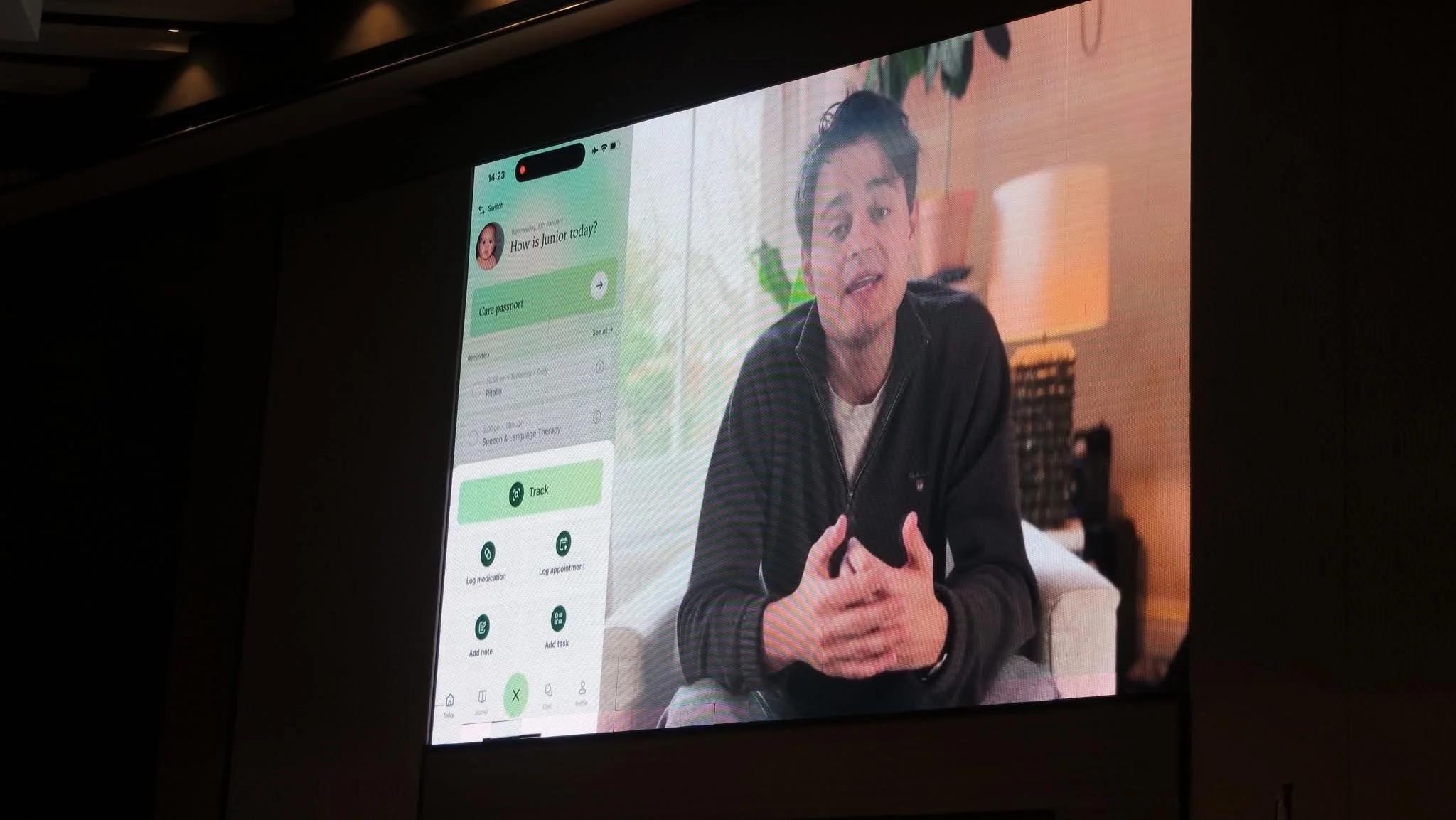
Erin Das from Global Treehouse presented on behalf of this clinically-validated application which supports families in managing and navigating complex paediatric care. Built collaboratively with families and clinicians, Heba has been used by over 10,000 families worldwide and is currently rated 4.9 stars. Heba demonstrates the potential of digital technologies to provide scalable and personalized support for caregivers, playing a vital role in strengthening family caregiver capacity and enhancing continuity of care.
5. Pain in the App: Co-created with Adolescents and Young Adults
Mary Bond discussed this New Zealand-based mobile symptom tracking tool innovation, co-designed with adolescents and young adults with life-limiting illnesses to communicate their symptoms and emotional distress within traditional and often impersonal clinical models. The goal is to support young patients’ autonomy and real-time engagement with providers using a developmentally appropriate and authentic platform. Ultimately, this co-designed digital tool has the potential to improve symptom management, emotional expression and overall healthcare engagement for adolescents in palliative care.
These five interventions collectively illustrate the determined, multi-pronged effort across different countries to deliver more comprehensive and equitable paediatric palliative care, setting an important direction for the field! We appreciated hearing all of these great ideas - and hope they are helpful to your work!