A Collaborative Commitment: KNH, Faraja and AMPATH Lead Compassionate End-of-Life Training in Nairobi
Meeting Needs
In Kenya, approximately 3,000 children are diagnosed with cancer each year. Yet the country’s paediatric oncology system faces significant challenges—including late diagnoses, low survival rates and limited access to supportive care. Fewer than 5% of children and their families receive holistic palliative care services (KEHPCA, 2021). For many, the journey includes long and arduous travel to regional treatment centres, compounding an already overwhelming experience. When a child dies, the grief is profound—and too often, families are left without the bereavement support they need. This gap underscores the urgent need to expand compassionate, family-centred palliative and grief care: globally, in Kenya and in the local community of Nairobi.
Critical Training
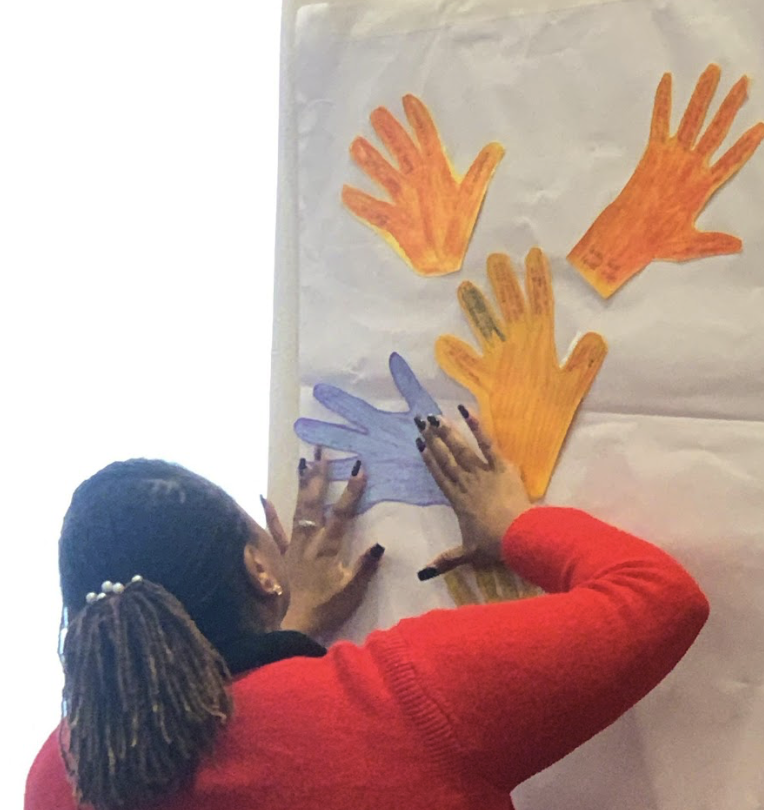
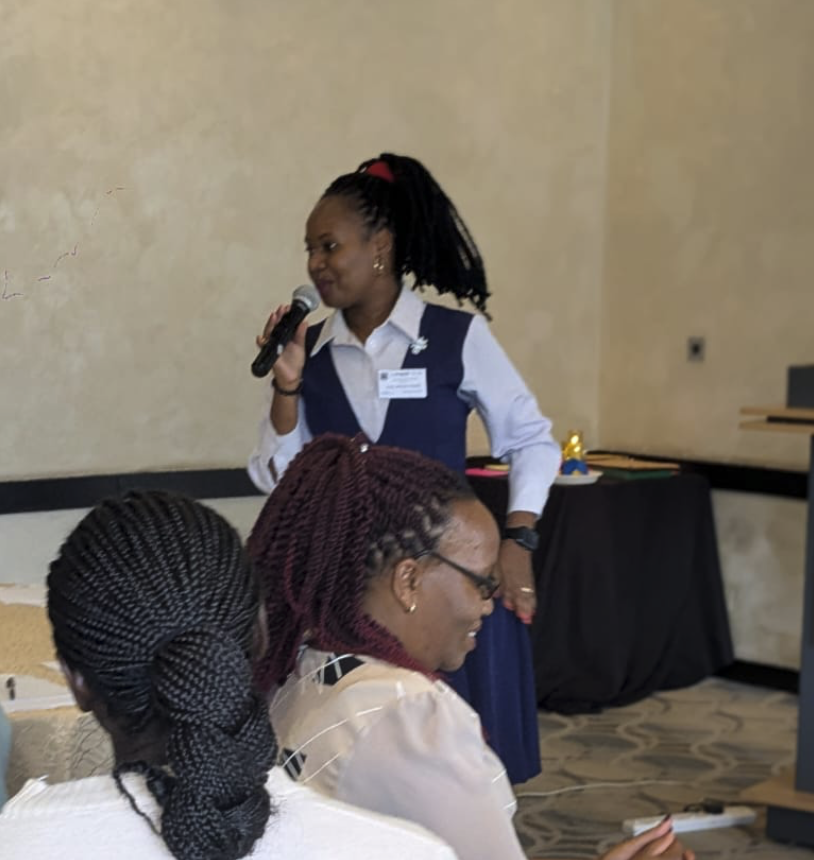
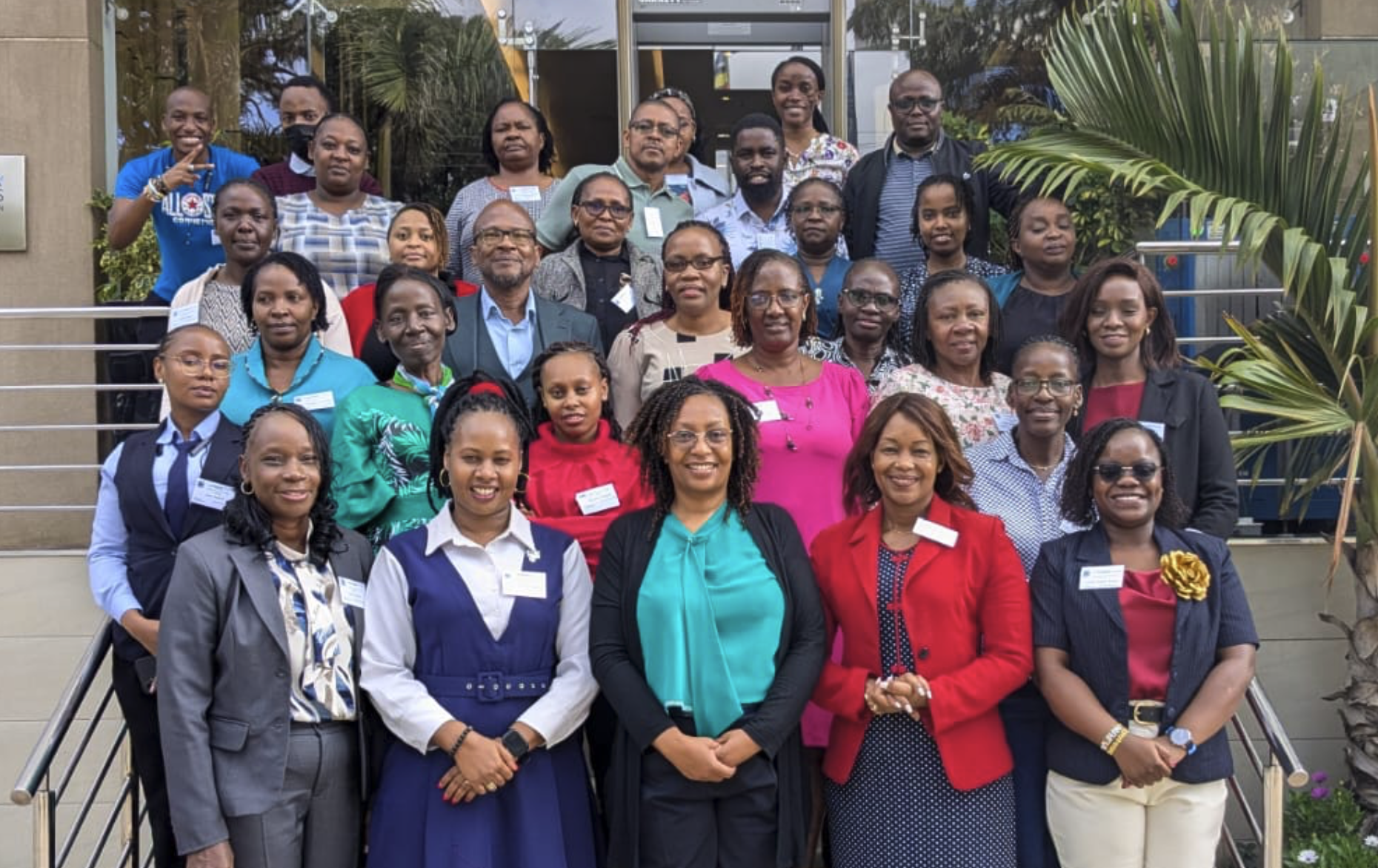
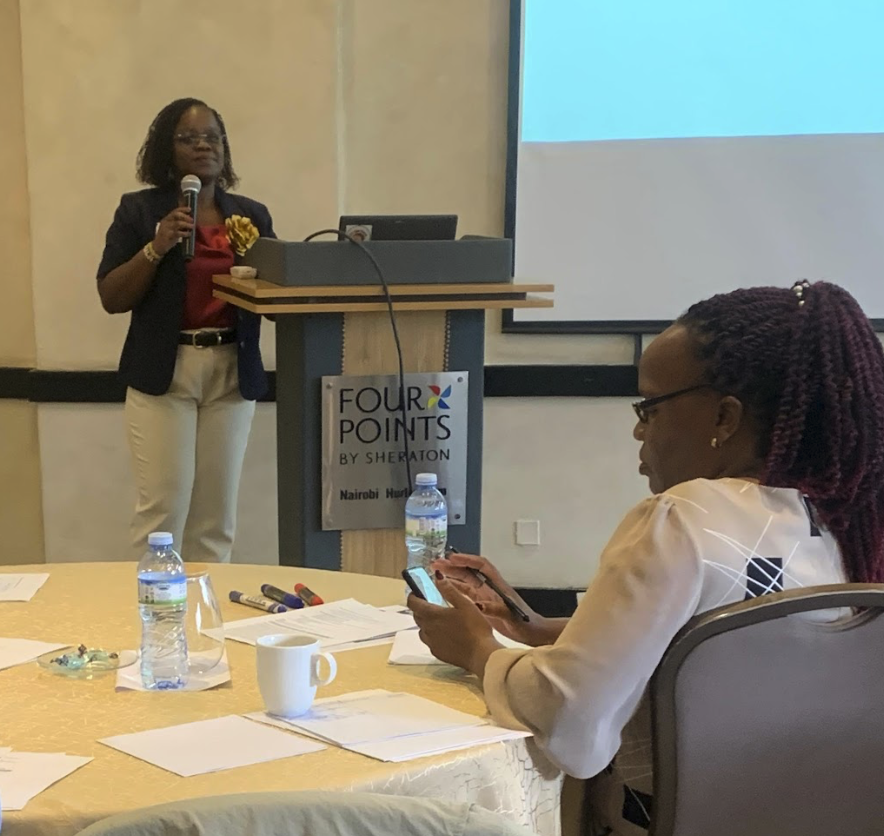
In Nairobi, Kenya, 25 diverse pediatric providers from Kenyatta National Hospital and Faraja Cancer Support Trust participated in focused training, a foundational component of the transformative bereavement care project for families impacted by childhood cancer in Kenya. The two-day compassionate paediatric end-of-life care training at the Four Points Sheraton Hotel was led by local faculty, in partnership with Kenyatta National Hospital, Faraja Cancer Support Trust and AMPATH.
Diverse Leaders
The participating healthcare workers were representative of the multidisciplinary expertise that comes together to create palliative care for children and families in hospital settings. Nurses, doctors, medical officers, clinical officers, social workers, child life specialists, psychologists and a chaplain shared their experiences and expertise, deepening their collective and individual knowledge and skills.
Growing Knowledge and Skills
Together, this group of Nairobi practitioners explored:
Fostering a comprehensive understanding of end-of-life care: Participants gained essential knowledge on symptoms and available supports for patients nearing the end of life.
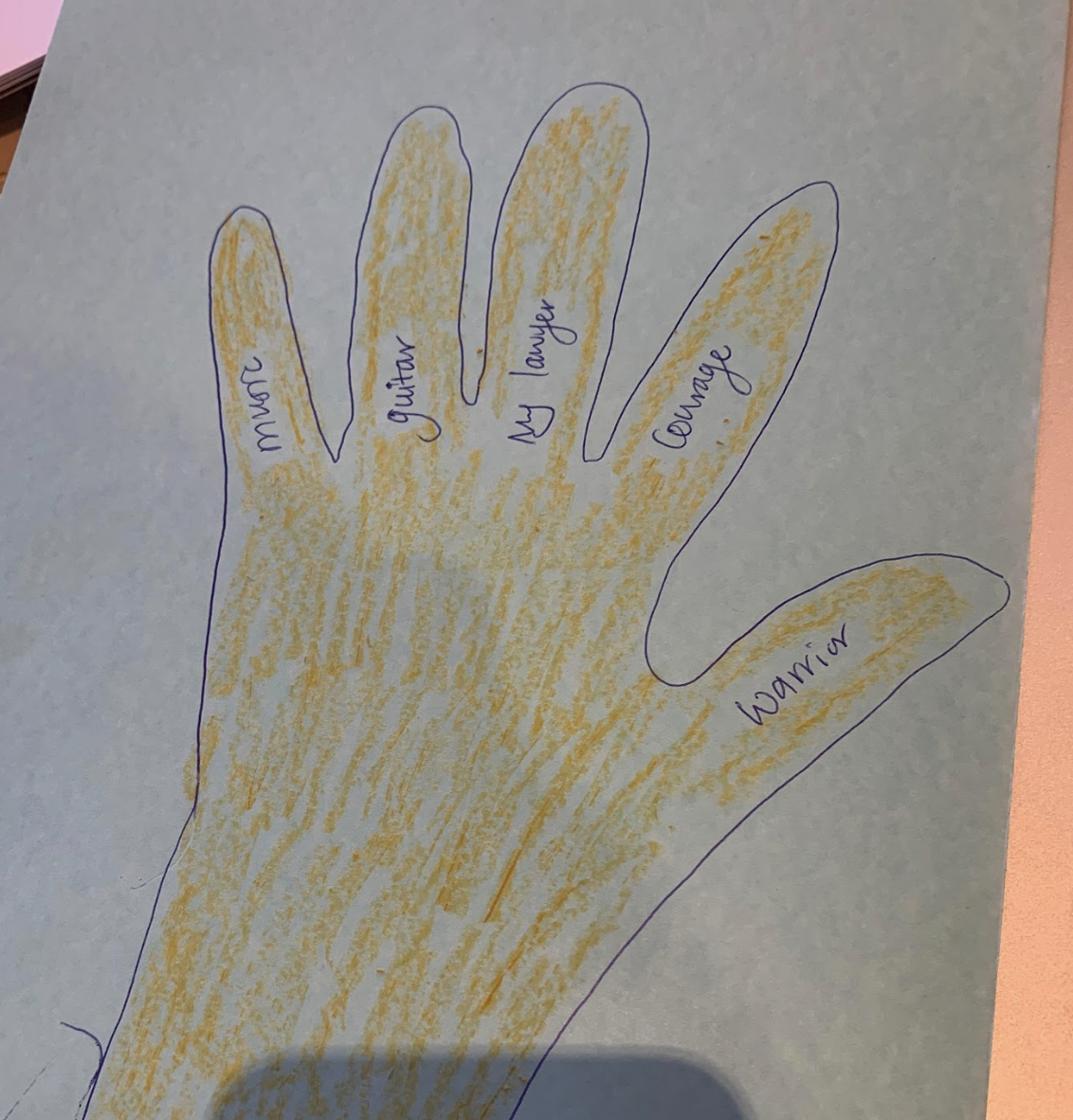
Exploring personal resilience and loss: Practitioners discussed their own grief and understood how to support bereaved families. This focus is vital for caregivers who regularly encounter loss in their professional lives.
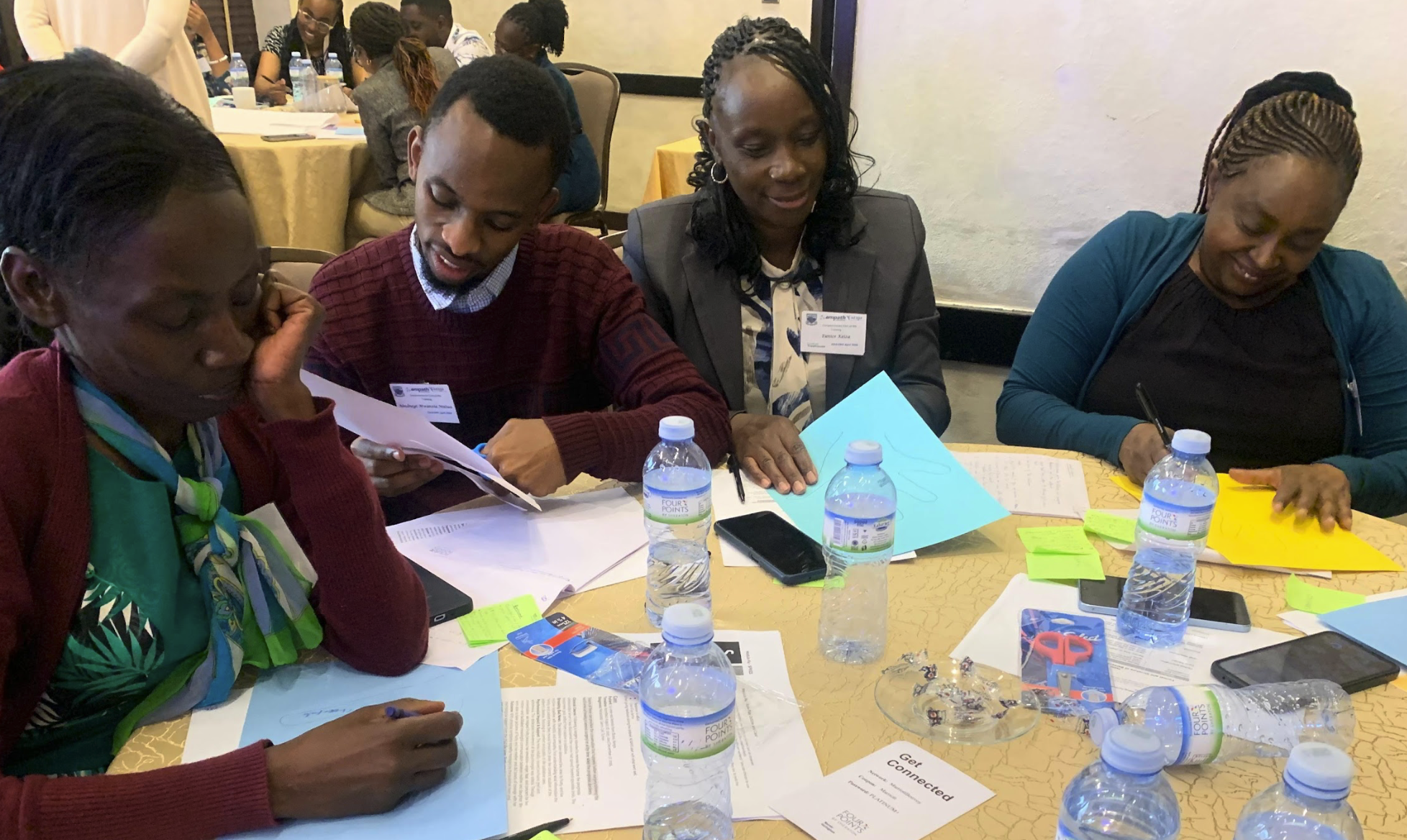
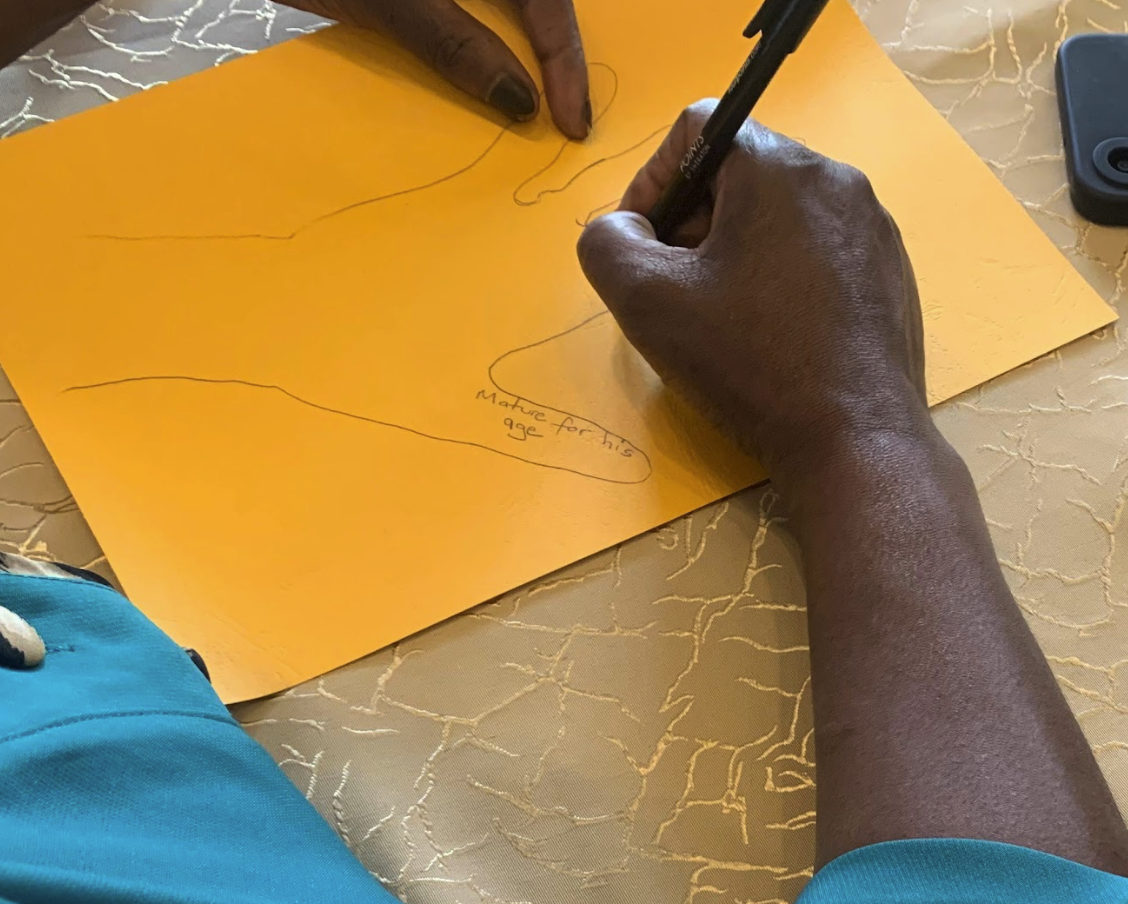
Hands-on practice in difficult conversations: Small-group work and role-playing exercises, utilizing real-world case studies, were used to practice compassionate communication when delivering difficult news.
Committing to future practice improvements: The event provided dedicated time for colleagues to reflect on past clinical challenges and develop individual Action Plans for advancing pediatric palliative care within their respective units, fostering accountability and identifying shared goals for institutional change.
“We know that fewer than 5% of families in the Kenyan pediatric oncology system receive holistic palliative care. This training, involving 25 dedicated KNH providers, is our direct answer to that gap. We are now a stronger, multidisciplinary team, equipped with the hands-on skills to provide comprehensive, culturally sensitive bereavement care, ensuring every family walking through Kenyatta Hospital’s doors feels truly supported.”
Bereavement Impact Across Kenya
This end-of-life training is a key part of a larger collaborative care project. Foundation S - the Sanofi Collective has awarded over €300,000 to support a three-year initiative delivering grief and bereavement care to families affected by childhood cancer in Kenya. This initiative is led by Moi Teaching and Referral Hospital (MTRH) in partnership with Moi University through the AMPATH collaboration, which includes the Sally Test Child Life Program at Shoe4Africa. Other partners include Faraja Cancer Support Trust, Kenyatta National Hospital (KNH), TEARS Foundation Kenya, and Global Treehouse, with technical advisory support from KEHPCA, NCCP, Global HOPE Texas Children's Global Health, Princess Máxima International, and St. Jude Global Palliative Care (also a co-funder). The curriculum was developed by Global Treehouse and AMPATH in consultation with local and national partners.
This training in Nairobi was made possible by the collaboration among MTRH, KNH and Faraja. It was implemented by local faculty: Dr Esther Nafula, Chaplain John Kanyi, Dr Irene Nzamu, Ms Helen Oduor and Ms Elizabeth Kabuthi.
The project will train healthcare workers in culturally sensitive bereavement care, provide peer-led support groups and counseling to family members, and offer integrated psychosocial services to pediatric oncology patients. By building workforce capacity, empowering bereaved families and embedding grief care within existing healthcare structures, the initiative aims to address a critical gap in Kenya's pediatric oncology system, where fewer than 5% of families currently receive holistic palliative care.
“This training could not have come at a better time. I want to be the changemaker - I want to be compassionate until the end.”