Compassion in Children's Health

Call to Action
“What is my part to play?” was a question posed by Nadia Kist, executive director at Blood:Water, to the panelists and attendees at the Compassion for Children’s Health event. Her question embodied the spirit of this spring gathering, with a powerful call to action around the role each of us has - from wherever we sit - to be an ally to seriously ill children and families. How can we advance stronger systems of children’s palliative care that uphold children’s rights and are grounded in dignity and compassion?
An Event Alongside the Skoll World Forum
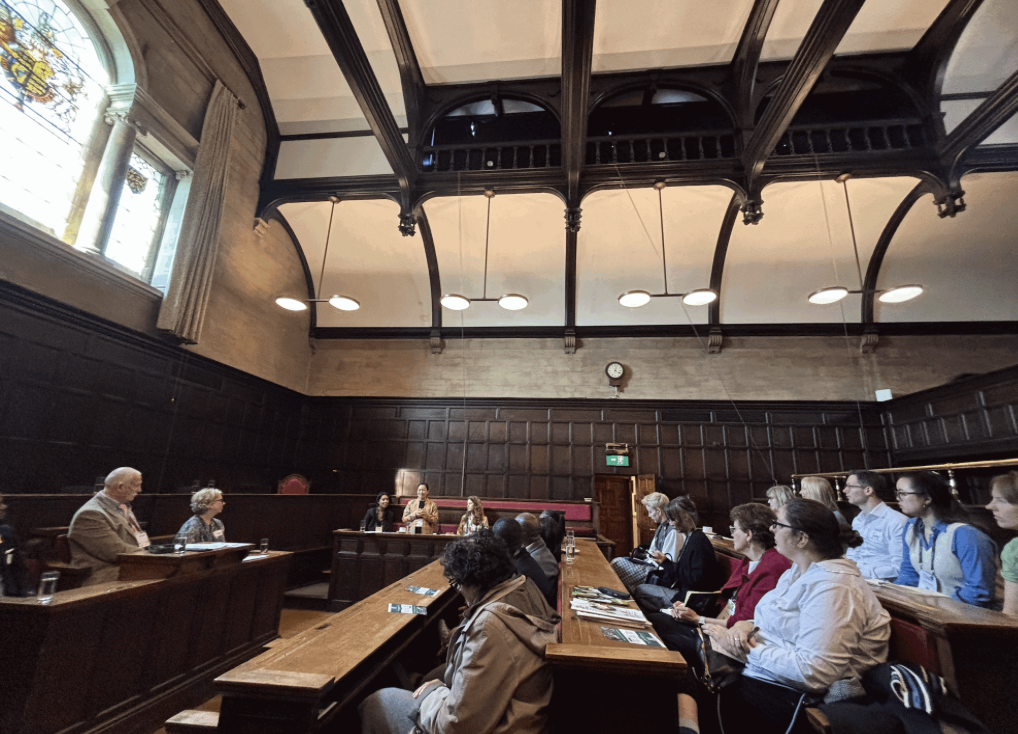
At Oxford Town Hall, just a short walk from the 2026 Skoll World Forum, a group of clinicians, social entrepreneurs, philanthropists, practitioners and global health leaders came together over breakfast to grapple with one of the most overlooked gaps in global child health: the millions of children living with serious illness who still cannot access palliative care.
What We Explored
The conversation focused on five key questions:
Why millions of children globally still lack access to palliative care — and what keeps that gap in place?
What does compassionate systems of care look like in practice, across very different contexts, from large hospital systems or home-based care in rural areas?
How can we accelerate existing innovations to expand access across diverse settings?
What is the role that we each, from philanthropy, leadership and cross-sector collaboration, play to catalyse compassionate care in children’s health?
What is currently bringing us hope to meet children and families’ needs — and how can we increase these conditions?
Why This Conversation
Children's palliative care is frequently misunderstood — assumed to be only about the end of life, or seen as a luxury in resource-constrained settings. The breakfast was designed to challenge both of those assumptions. As our panelists made clear, palliative care is about helping children live as well as possible: alongside treatment, throughout illness and in ways that hold the whole child and family, in settings across the world.
The timing mattered. The Skoll World Forum brings together some of the world's most committed social entrepreneurs and philanthropists. Placing this conversation alongside this annual gathering in Oxford, United Kingdom, was a deliberate move to bring children’s palliative care out of the margins and invite new allies into the conversation.
““This is not about dying. It’s about how children live — often for years — within systems that weren’t designed for them… We can all create a path to better access to care.””
Voices at the Table
The panel brought together distinct perspectives:
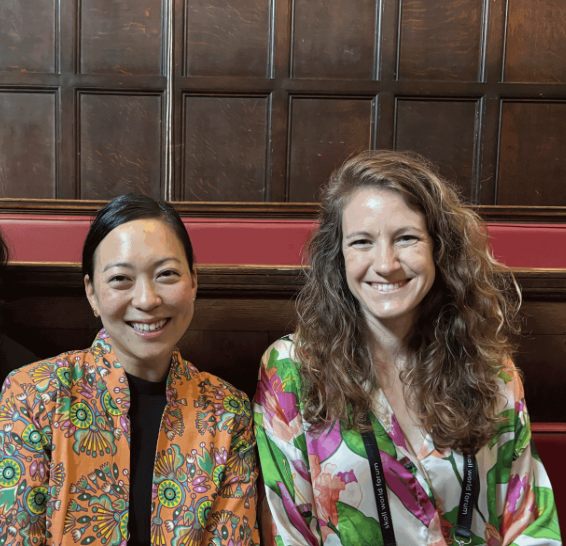
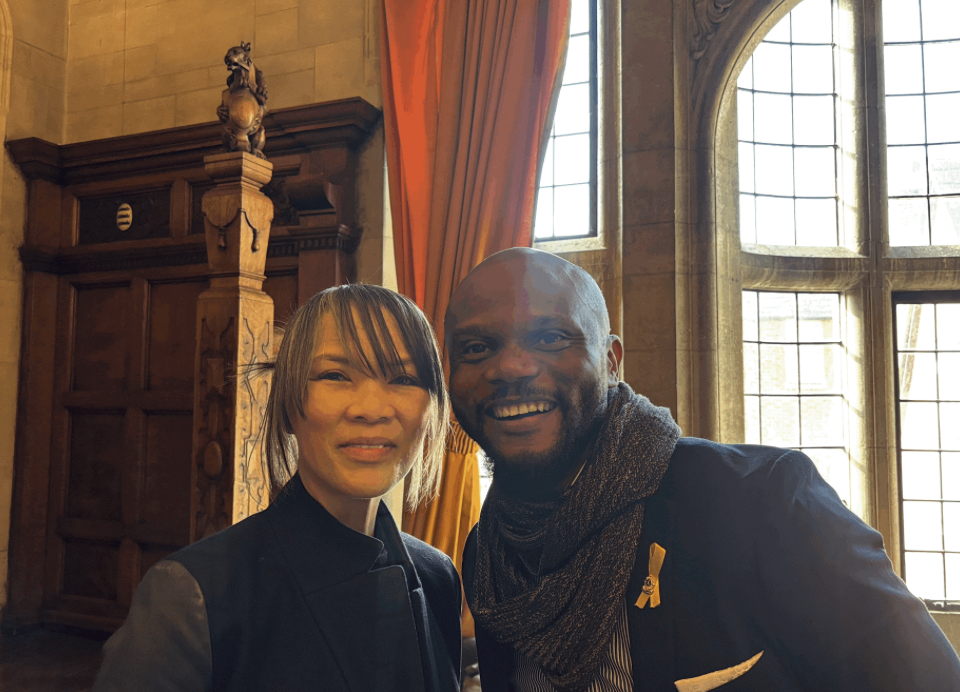
Esther Wang, advisor to the Elevate Prize and new Trustee at Global Treehouse, welcomed the audience, framing the discussion around how she’s come to see this work both as a person of faith and as a social impact leader.
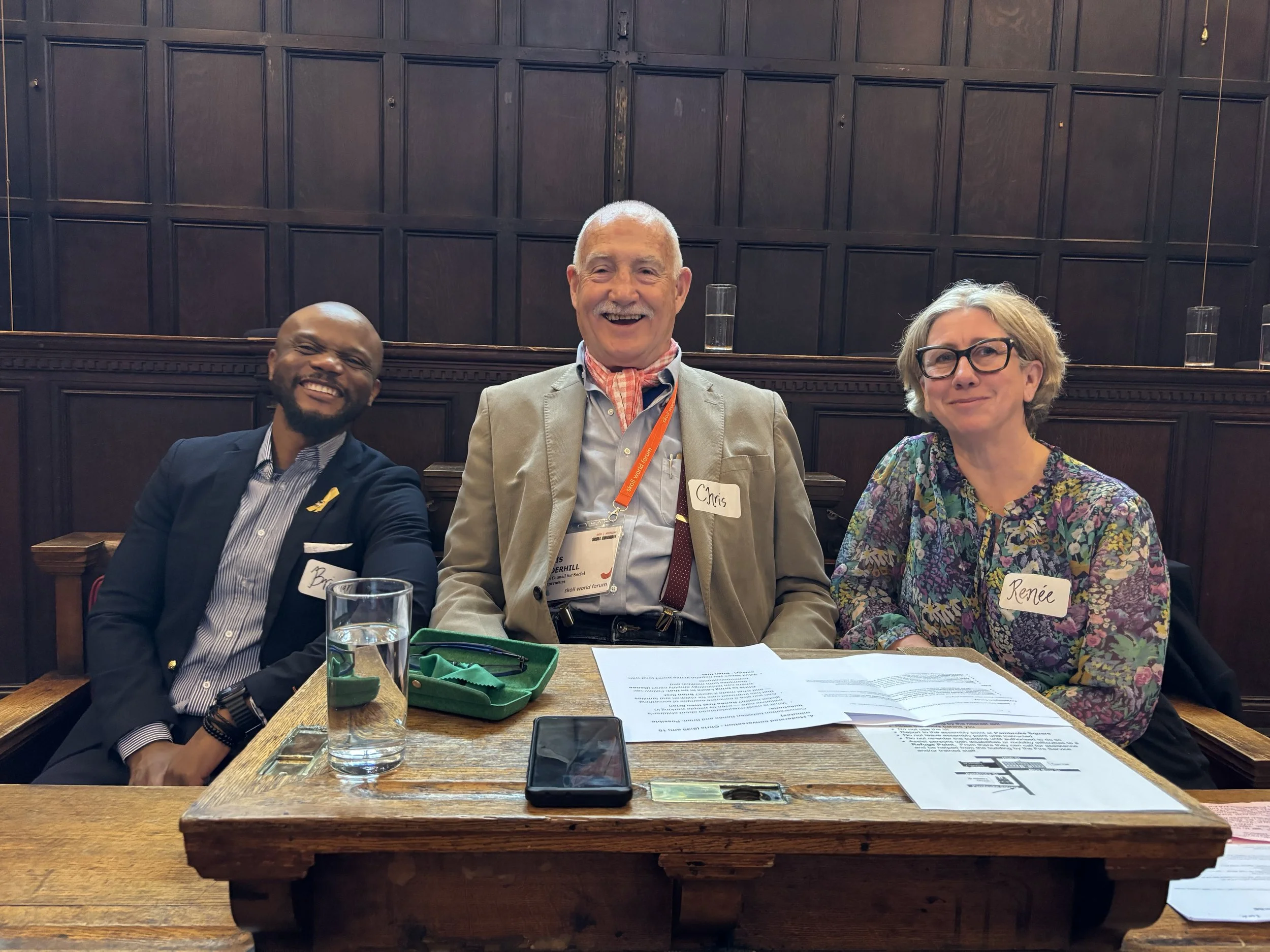
Dr Renée McCulloch, Consultant Paediatrician and Deputy Medical Director at Great Ormond Street Hospital, spoke from decades of clinical experience about the importance of systems change in children’s palliative care. Her grounding in practice — and in the realities of what families face — set a powerful tone.
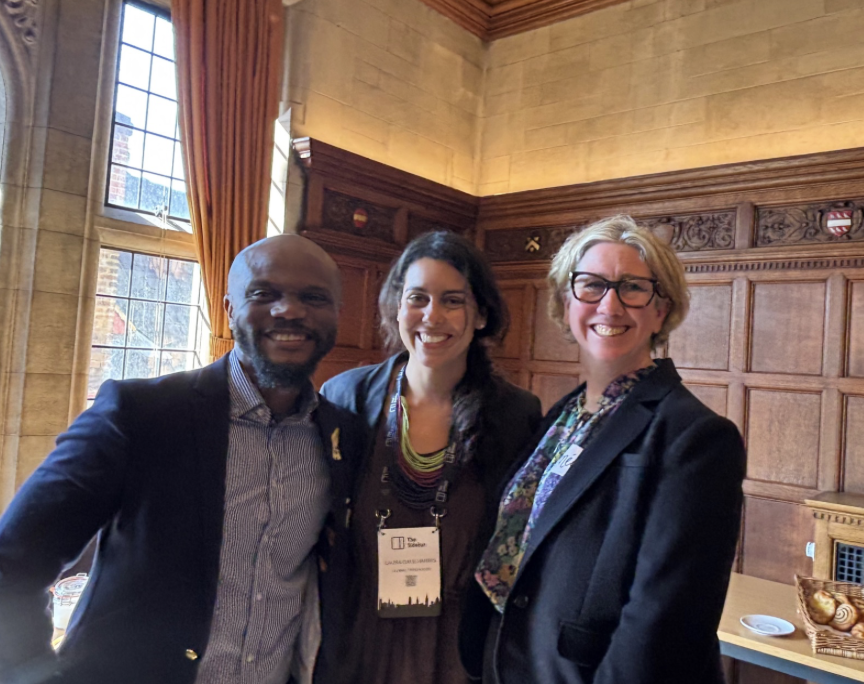
Brian Walusimbi, Founder and Executive Director of Bless a Child Foundation and Senior Skoll Fellow, brought the perspective of a social entrepreneur working on the ground. He spoke to the human scale of individual parents and children supported throughout their lives — and to what it actually takes to build compassionate systems in diverse settings.
Laura Dale-Harris, Executive Director of Global Treehouse, connected the dots between innovation and systems change. She reflected on why the field remains overlooked and what she believes it will take to move it forward at scale: equipping leaders, building practical tools and telling stories that bring in new allies.
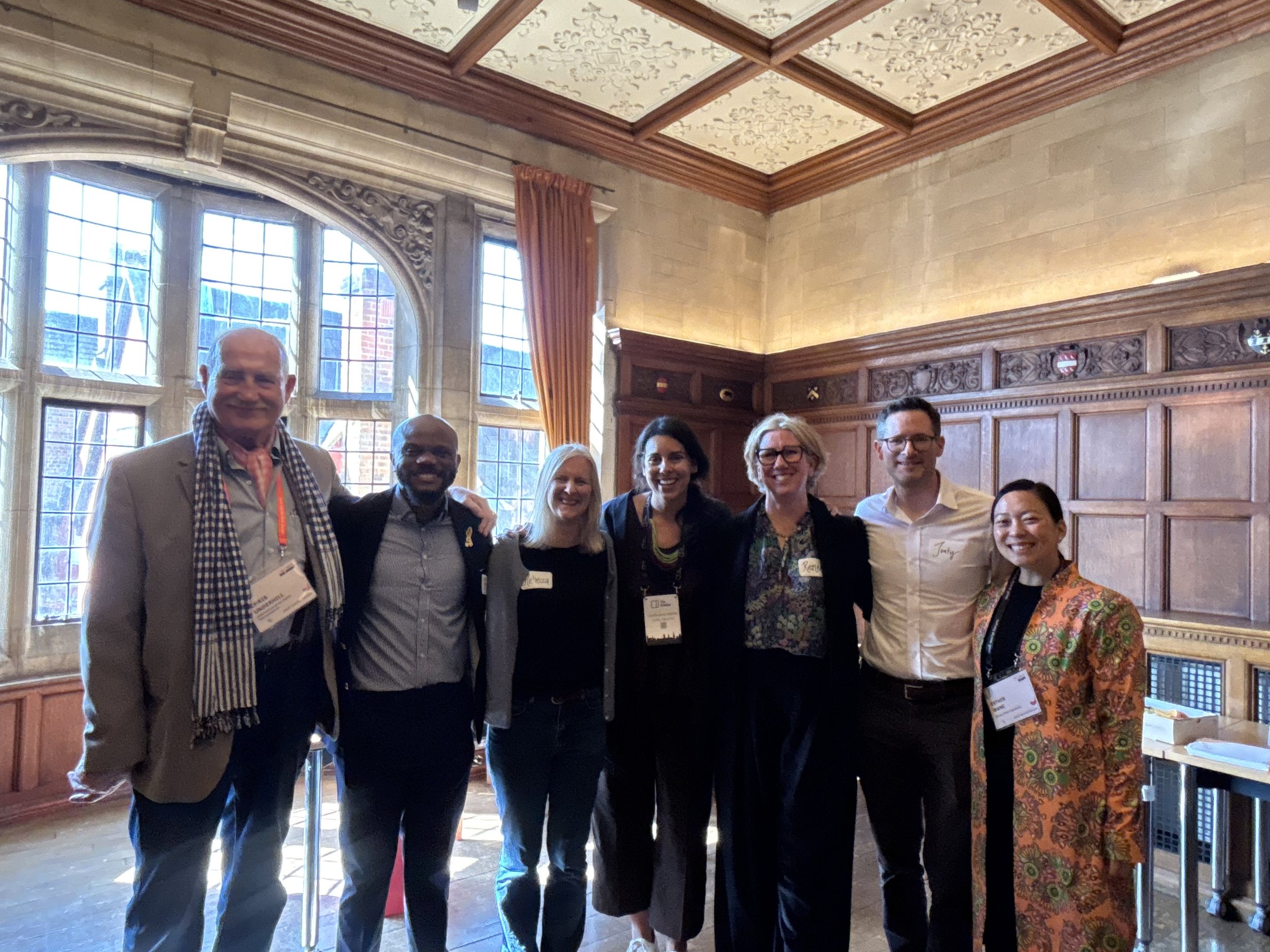
The conversation was guided with care by moderator Chris Underhill MBE — social entrepreneur, global mental health expert and Skoll Awardee — who drew out the threads among the perspectives and opened the floor for what became a rich exchange with attendees. Co-hosts Jonty Roland, chair of the board of trustees and Rebecca Eastmond, trustee and CEO of Greenwood Place, brought the room together and created the conditions for genuine dialogue.
Moments That Stayed With Us
One parent’s story of loss — including the struggle to access adequate pain management and their resilient journey to help other families — served as a poignant reminder of why robust, compassionate systems are so essential.
Opportunity to empower: Fear of doing the wrong thing can sometimes outweigh the urgency of relieving a child’s pain. Systems that support clear communication and shared decision-making empower both clinicians and families to meet a child’s needs with confidence.
Care partners: Parents want the best for their children. When provided with the right support and information, they are the strongest possible partners in the care journey.
Vital reframing: Palliative care is not about giving up hope. It should sit alongside treatment, expanding what is possible for a child rather than limiting it.
The “power of one”: A single story or interaction has the power to shift understanding and unlock action at a systemic level.
Bringing Momentum to the Mission
Together, we can change what is possible for children with serious illness. By building the tools, equipping the leaders, and telling the stories this field has never had, we can help ensure that more children - and the families who love them - are met with care.
If you’re exploring how strategic funding, innovation, storytelling or collaboration could strengthen care for seriously ill children in your context, we’d love to hear from you. Email us at info@globaltreehouse.foundation.