
Diverse Paediatric Providers Unite Around Training
Important Training
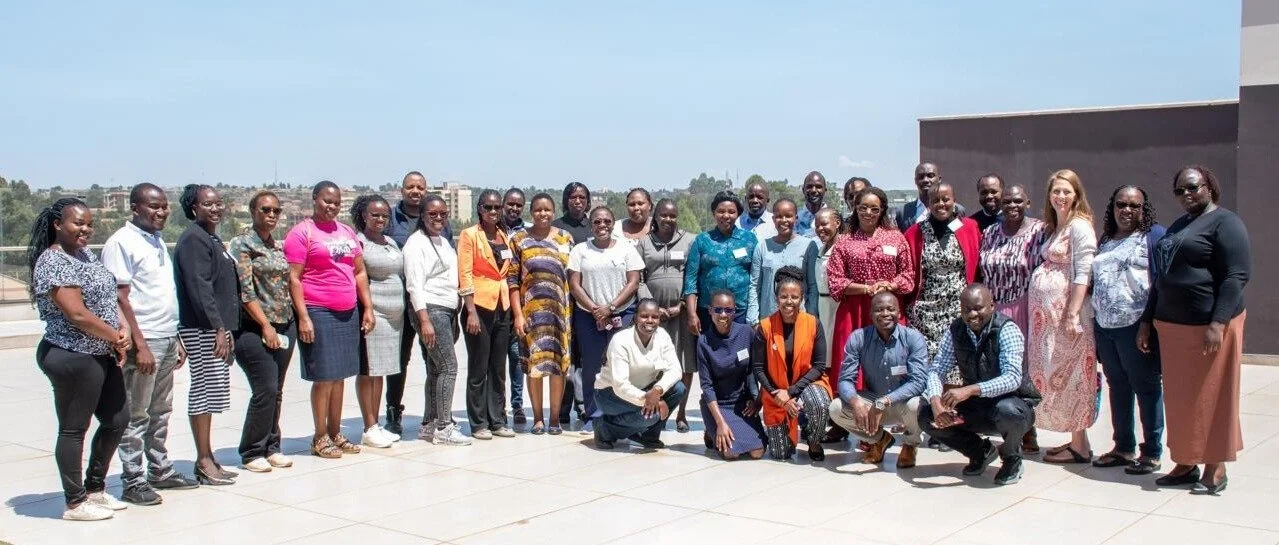
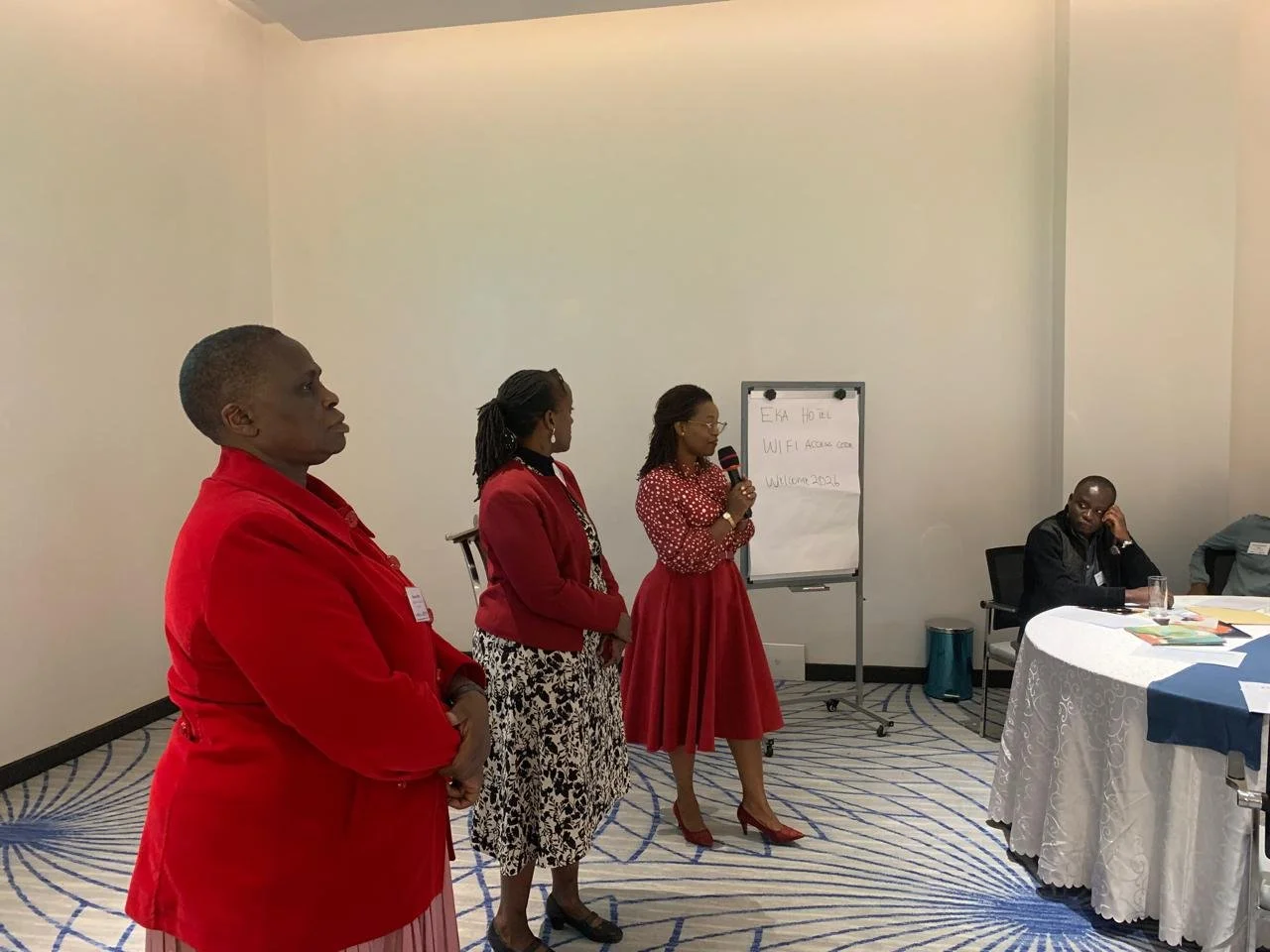
In Eldoret, Kenya, 30 diverse paediatric providers from Moi Teaching and Referral Hospital (MTRH) participated in focused training, a foundational component of the transformative bereavement care project for families affected by childhood cancer. The two-day compassionate paediatric end-of-life care training was led by Global Treehouse, in partnership with AMPATH, MTRH and the project’s leads. Speakers and facilitators were Elizabeth Kabuthi, Erin Das, Dr Esther Wanjama, Pamela Were and Dr Festus Njuguna.
Diverse Leaders
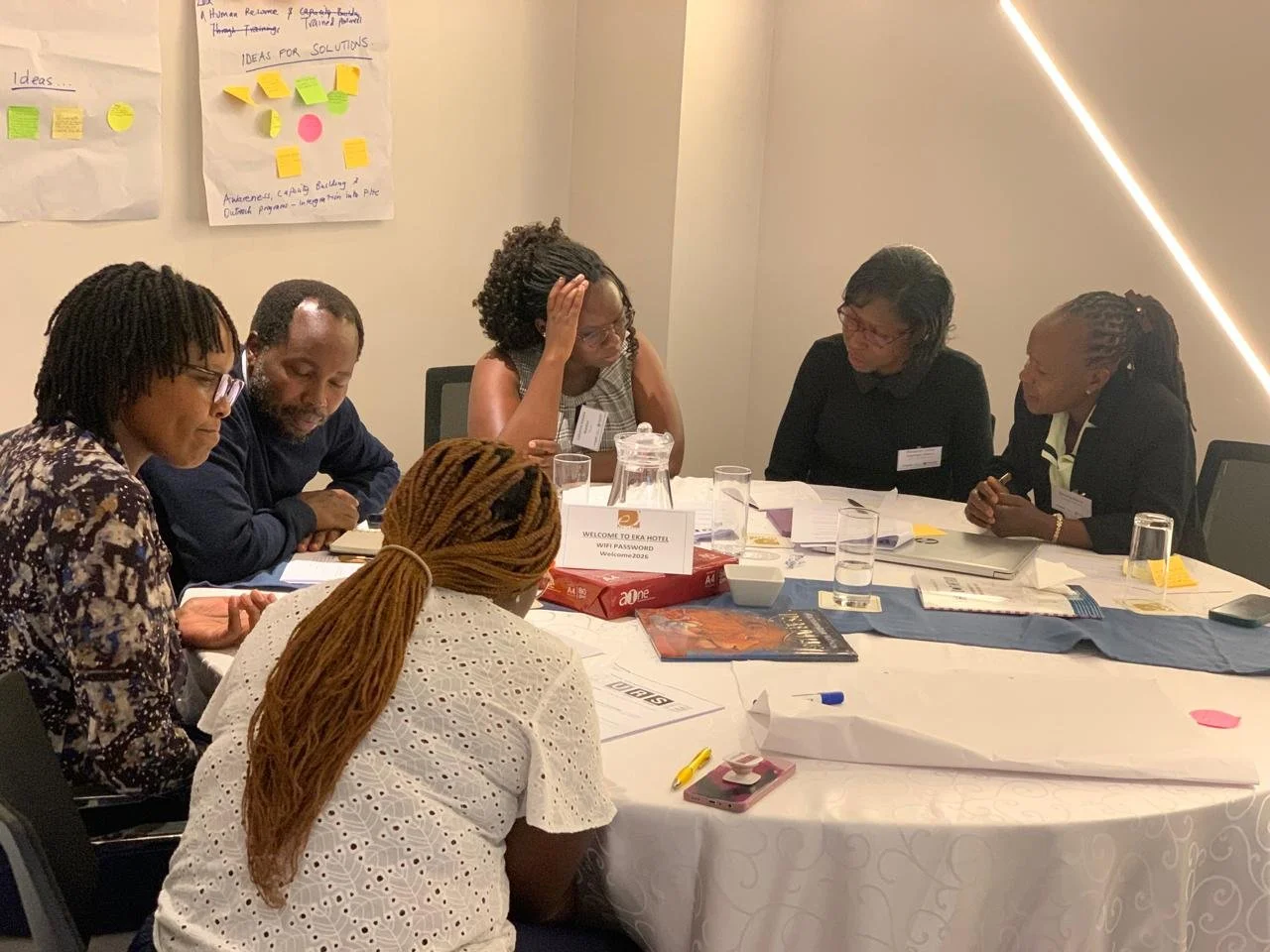
The participating healthcare workers were representative of the multidisciplinary expertise that comes together to create palliative care for children and families in hospital settings. Nurses, doctors, medical officers, clinical officers, social workers, child life specialists and a chaplain shared their experiences and expertise, deepening their collective and individual knowledge and skills.
Growing Knowledge and Skills
Together, this group of Eldoret practitioners explored:
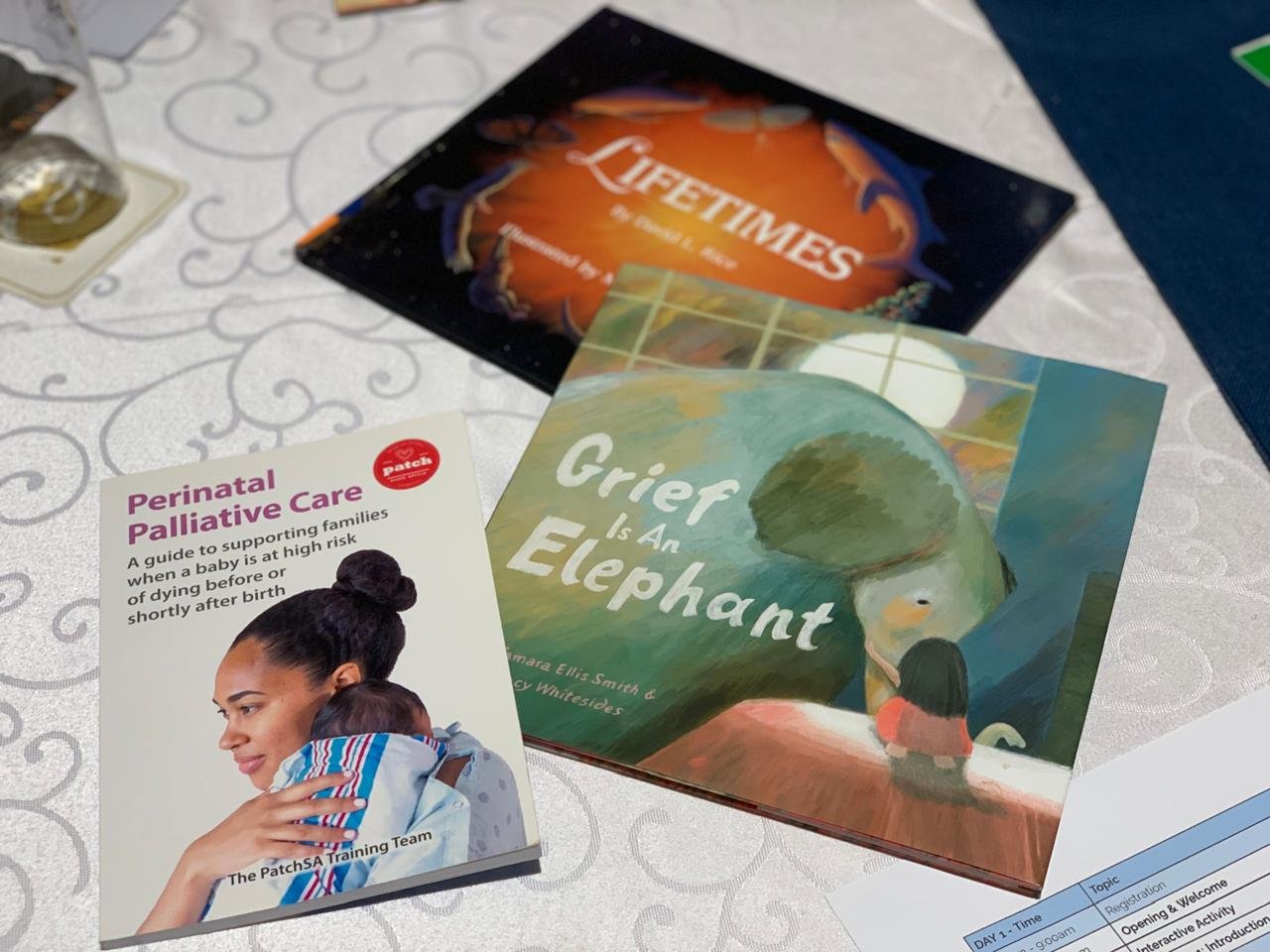
Strong grounding in end-of-life care: Participants left with a shared body of knowledge on end-of-life symptoms and available supports.
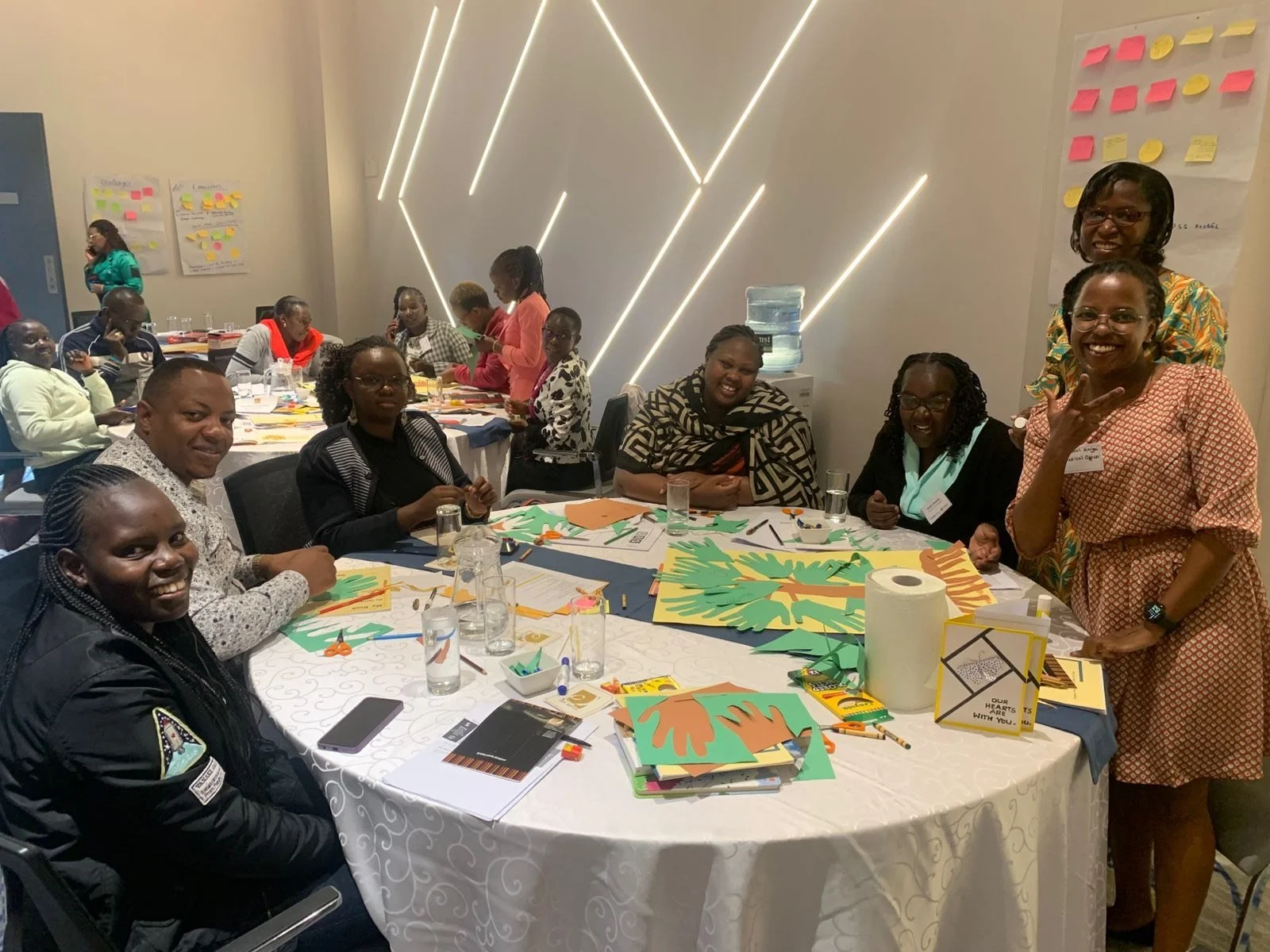
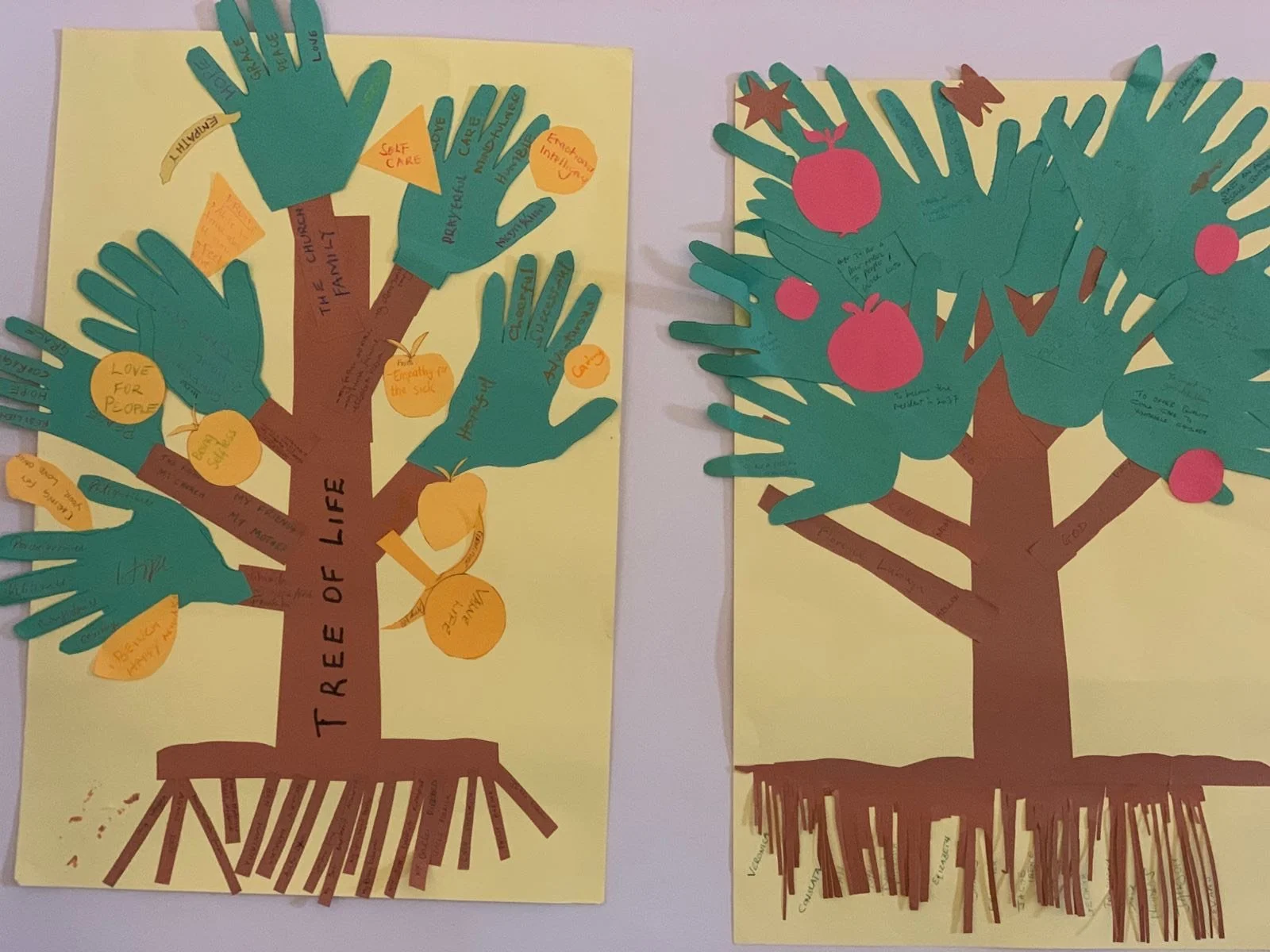
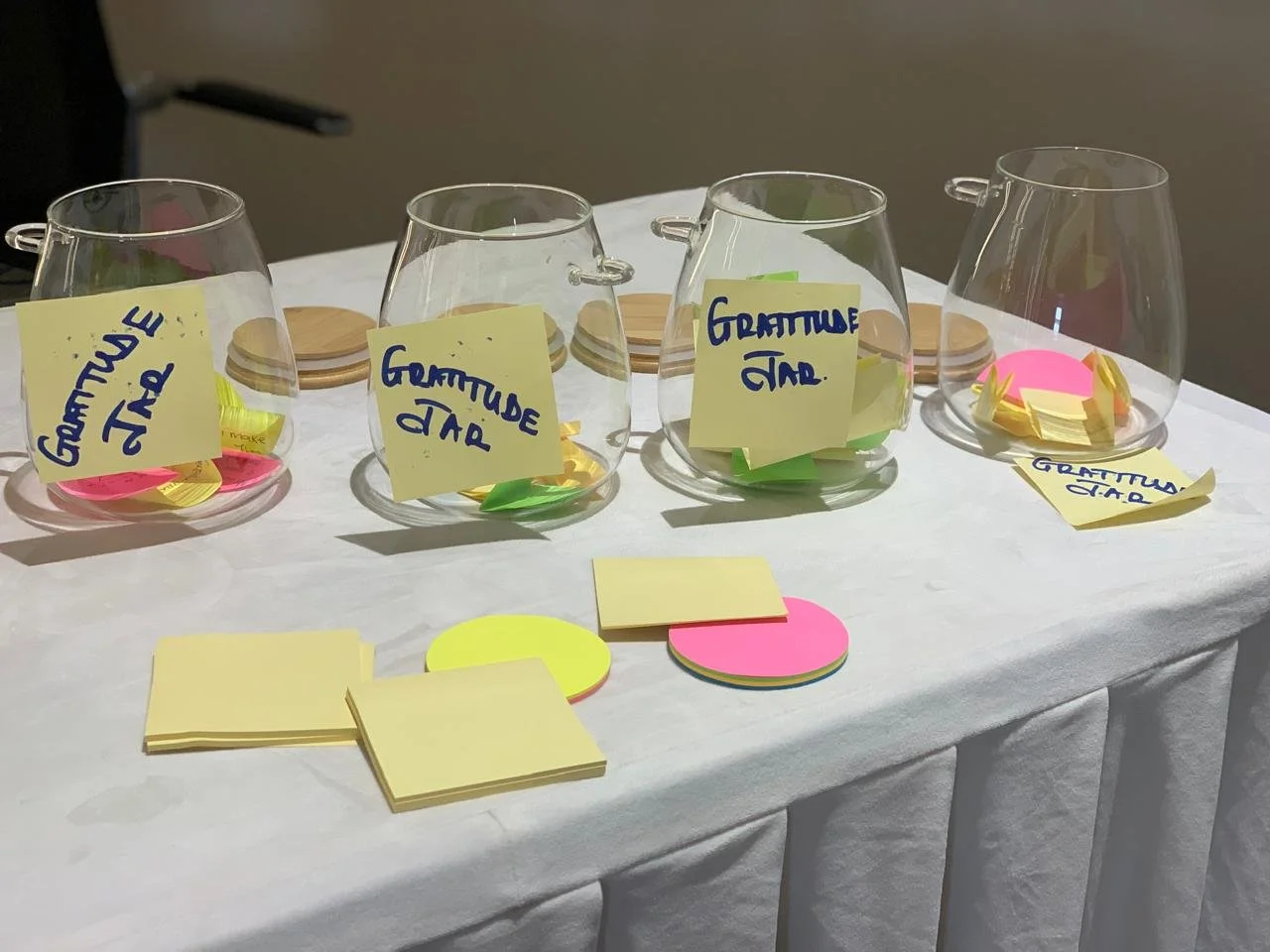
Engaged in personal legacy-making: Practitioners reflected on their personal process of grief and legacies related to loss in their own lives, such as a gratitude jar, a memory tree and a legacy scrapbooking page. This was particularly important as caregivers facing loss frequently in their workplace need to be able to process personal grief, and to activate how they want to support families during this period of grief and loss.
Rooted training in practical examples: We practised compassionate communication for delivering difficult news through small-group exercises and role-play, drawing on real case studies.
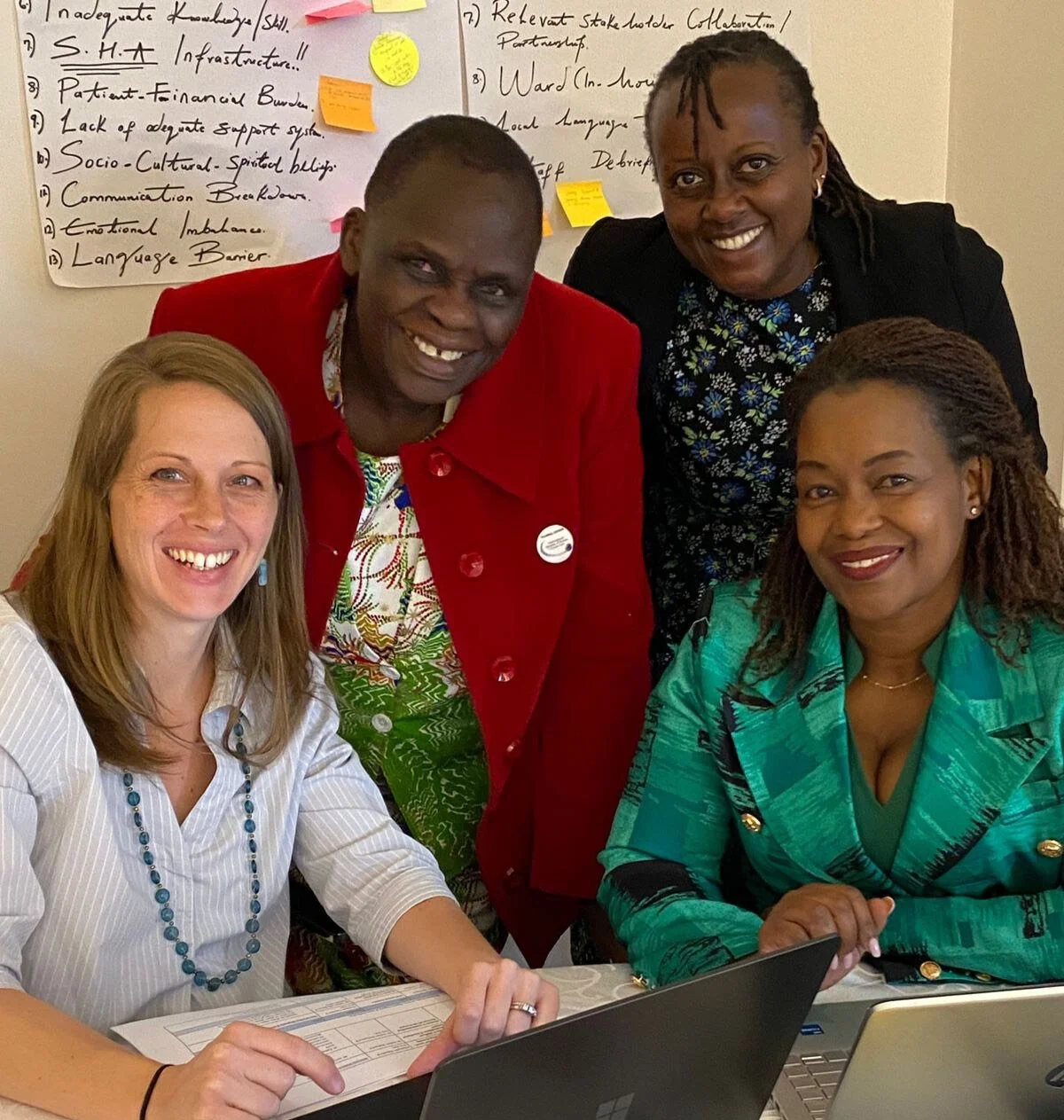
Reflected on their practice and experiences: We created space for colleagues to consider past challenges and how to act on future opportunities to advance their work in pediatric palliative care within their settings. At the end of the event, each participant created an Action Plan for change in their setting, which we shared with the larger group to build accountability and support, and to identify common goals for meaningful change.
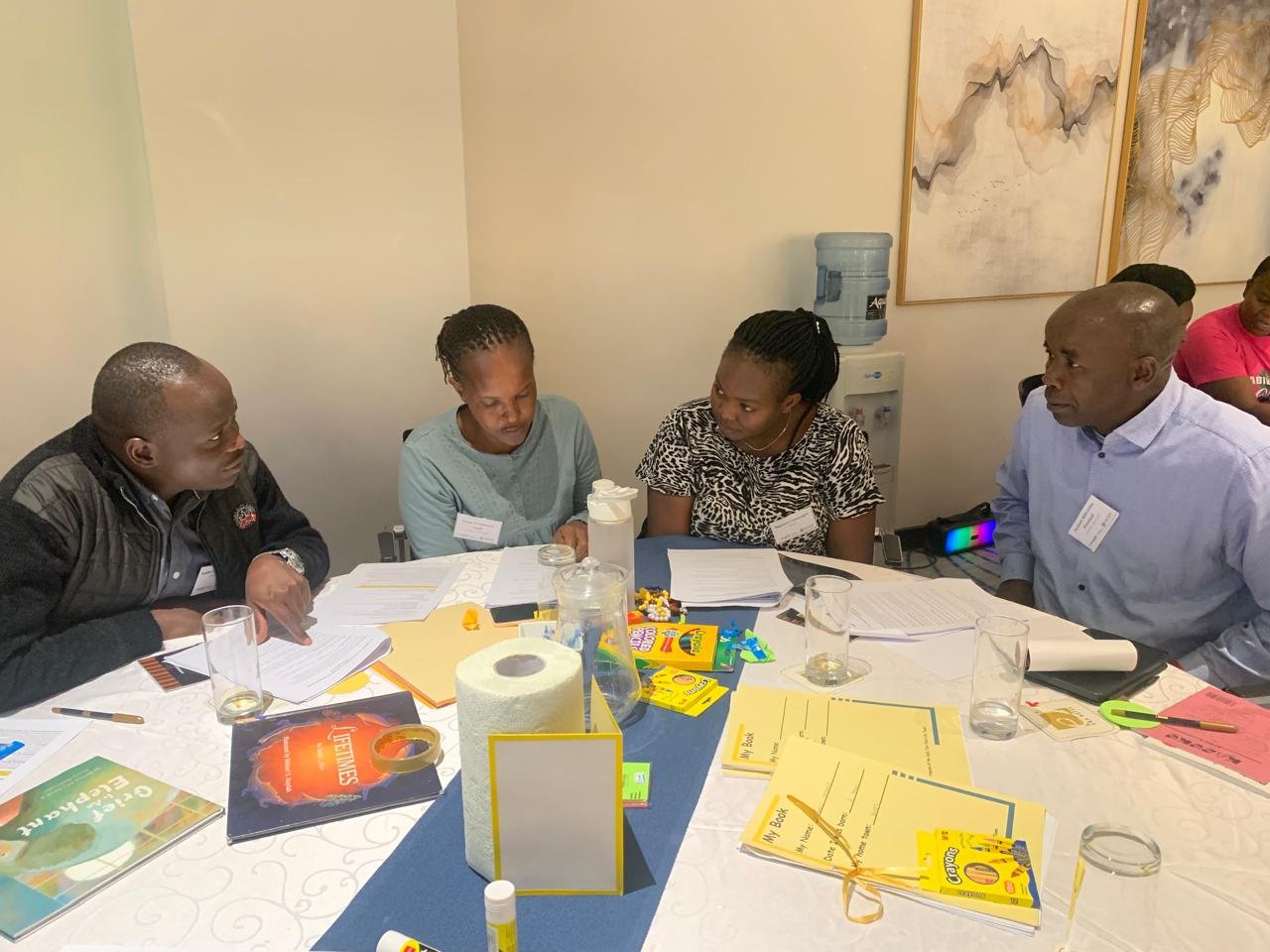
“There was something profound about watching nurses, doctors, chaplains and social workers sit together and name what’s hard about this work. They didn’t just learn protocols—they shared challenges, held space for each other’s grief and practiced the kind of presence that families desperately need. That’s the foundation everything else is built on.”
Participants shared their reflections on the training:
“I never felt confident enough to have difficult conversations with children and their families because I lacked the correct words to say. This has changed after attending the training. I feel that I'm confident enough for such conversations in [the] future.”
“I took from the training the importance of involving the child, at an age-appropriate level, in end-of-life conversations to honor their voice and choices.”
“Care should be continuous and inclusive of other family members.”
“The power of presence and silence during grieving is very key.”
“Children's palliative care should start from diagnosis to [the] end of life.”
“When healthcare workers are trained to provide culturally sensitive bereavement care, the impact extends far beyond individual conversations. Our teams become more resilient, families feel truly supported during the most difficult moments of their lives and we build a healthcare system that recognizes grief as part of healing. This initiative will transform how we care for our most vulnerable patients and their families. It starts with realistic commitments from our staff and I am so proud of all those who attended the training - I heard and saw their enthusiasm to create change in small and big ways.”
Bereavement Impact Across Kenya
This end-of-life training is a key part of a larger collaborative care project. Foundation S - the Sanofi Collective has awarded over €300,000 to support a three-year initiative delivering grief and bereavement care to families affected by childhood cancer in Kenya. This initiative is led by Moi Teaching and Referral Hospital (MTRH) in partnership with Moi University through the AMPATH collaboration, which includes Sally Test Child Life Program at Shoe4Africa. Other partners include Faraja Cancer Support Trust, Kenyatta National Hospital (KNH), TEARS Foundation Kenya, and Global Treehouse, with technical advisory support from KEHPCA, NCCP, Global HOPE Texas Children's Global Health, Princess Máxima International, and St. Jude Global Palliative Care (also a co-funder).
The project will train healthcare workers in culturally sensitive bereavement care, provide peer-led support groups and counseling to family members and offer integrated psychosocial services to pediatric oncology patients. By building workforce capacity, empowering bereaved families and embedding grief care within existing healthcare structures, the initiative aims to address a critical gap in Kenya's pediatric oncology system, where fewer than 5% of families currently receive holistic palliative care support.